

Dental Implants: Are They Really Permanent?


Finding a dependable, long-lasting solution shouldn’t be as difficult as losing a tooth. Dental implants excel in this situation. Many individuals wonder if dental implants, which are promoted as a permanent solution, are actually permanent. Let’s examine the facts, the science, and the information you should be aware of before making a commitment, all through today’s blog.
What Exactly Are Dental Implants?
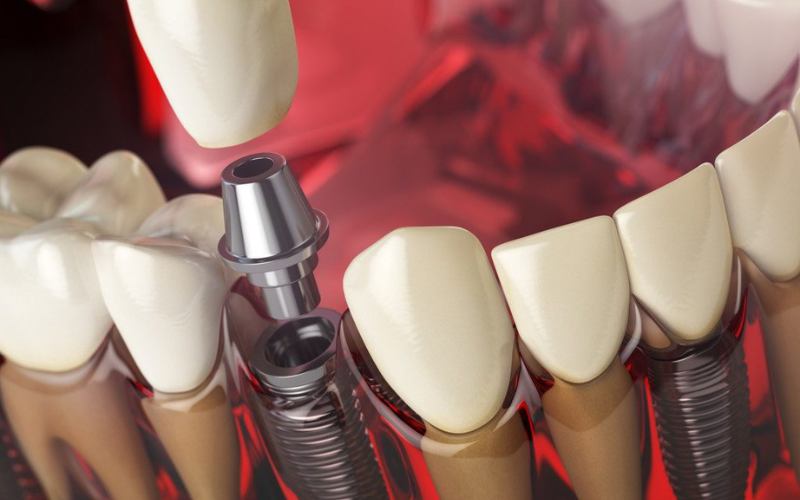
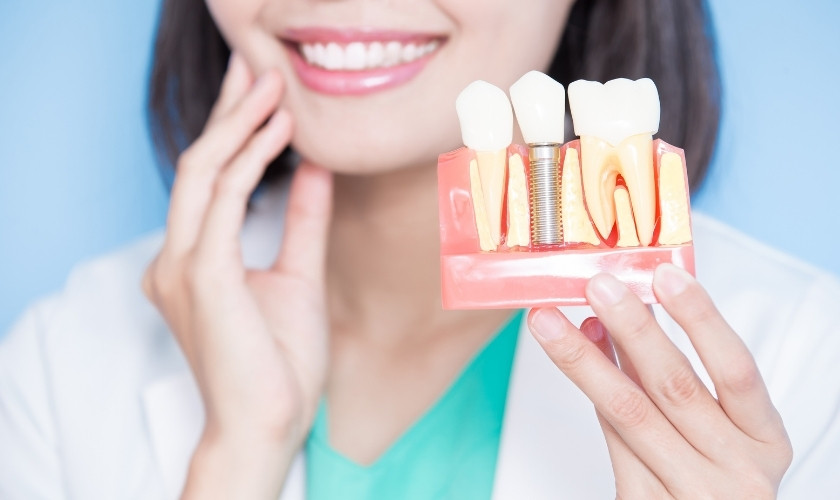
In order to replace lost teeth, dental implants are surgically inserted into your jawbone. They provide a practical and natural-looking solution by supporting crowns, bridges, or dentures after they have healed.
Important Dental Implant Components:
- The implant post serves a substitute for the root replacement.
- Abutment, the link between dental crown and implant.
- The visible portion that resembles your teeth is called the crown.
Why Do They Appear “Permanent”?
The process by which dental implants bond with your jawbone is known as osseointegration. Because of this, they have the exceptional capacity to:
- Replicate the appearance and function of real teeth.
- Stop the loss of bone.
- Remain stationary without the need of glue or clasps.
Although they are made to last, that does not make them unbreakable.
What is the average lifespan of dental implants?
They can last for 25 years or more, and perhaps even for a lifetime, with the right maintenance. However, a number of variables affect how long they live, such as:
- Habits of oral hygiene.
- Lifestyle decisions (such as smoking or binge drinking).
- Professional upkeep.
- Possible medical disorders (such as diabetes).
Dental implants are among the most reliable restorative dentistry options, with 95% success rate over a 10 year period, according to the American Association of Oral and Maxillofacial Surgeons.
When Implants May Not Work?
Dental implants can malfunction, however this is uncommon. Among the most frequent reasons are:
- Peri-implantitis (an infection similar to gum disease).
- Jawbone loss.
- Poor placement or technique.
- Bruxism (teeth grinding).
Warning Signs of Implant Trouble:
- Persistent pain or discomfort.
- Swelling around the implant site.
- Loosening of the implant or attached crown.
How To Make Your Dental Implants Last Longer
Want your implants to go the distance? Here’s what dentists recommend:
Smart Oral Health Habits
- Brush twice daily and floss around the implant.
- Use a soft-bristle toothbrush and non-abrasive toothpaste.
Regular Dental Visits
- Schedule cleanings and checkups every 6 months.
- Let our dentist monitor the implant’s integrity.
Avoid Risky Behaviors
- Don’t smoke—it’s one of the top reasons implants fail.
- Limit hard foods that might stress your crown or post.
Implants Or Other Tooth Replacement Options?
Dental implants may cost more upfront, but they outshine bridges and dentures in durability, functionality, and appearance.
Why Do Patients Prefer Implants?
- No shifting or clicking like with dentures.
- No damage to surrounding teeth like bridges.
- Prevents bone resorption in the jaw.
So, Are Dental Implants Permanent?
Yes—with proper care, dental implants can be a lifelong solution. While they may require maintenance like any other dental work, their strength, durability, and natural appearance make them well worth the investment.
So, if you’re looking for a reliable way to replace missing teeth and want something as close to “forever” as possible—dental implants might just be your smile’s best friend.